Background
What a fabulous piece of software.
I stumbled across Birdnet when reading about this beautiful project Fugelramme which I had planned to try and re-implement myself. It looked simple enough to install, and I could see some nice ideas I could try out.
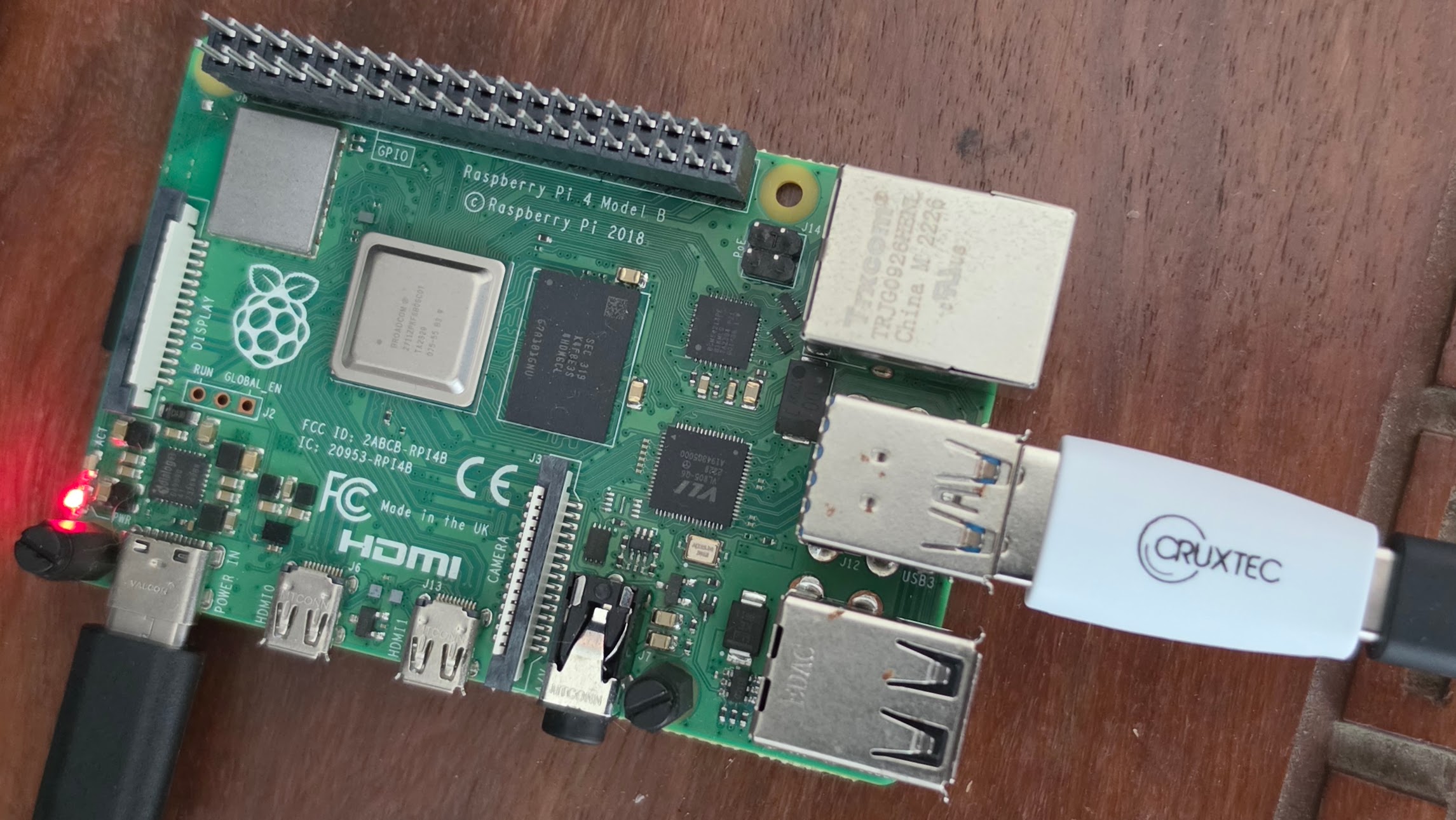
So once I figured out which of my Pis still worked, I followed the straightforward script. It took a while - as warned - to build all the dependencies on the Pi, but all of a sudden it was live and working.
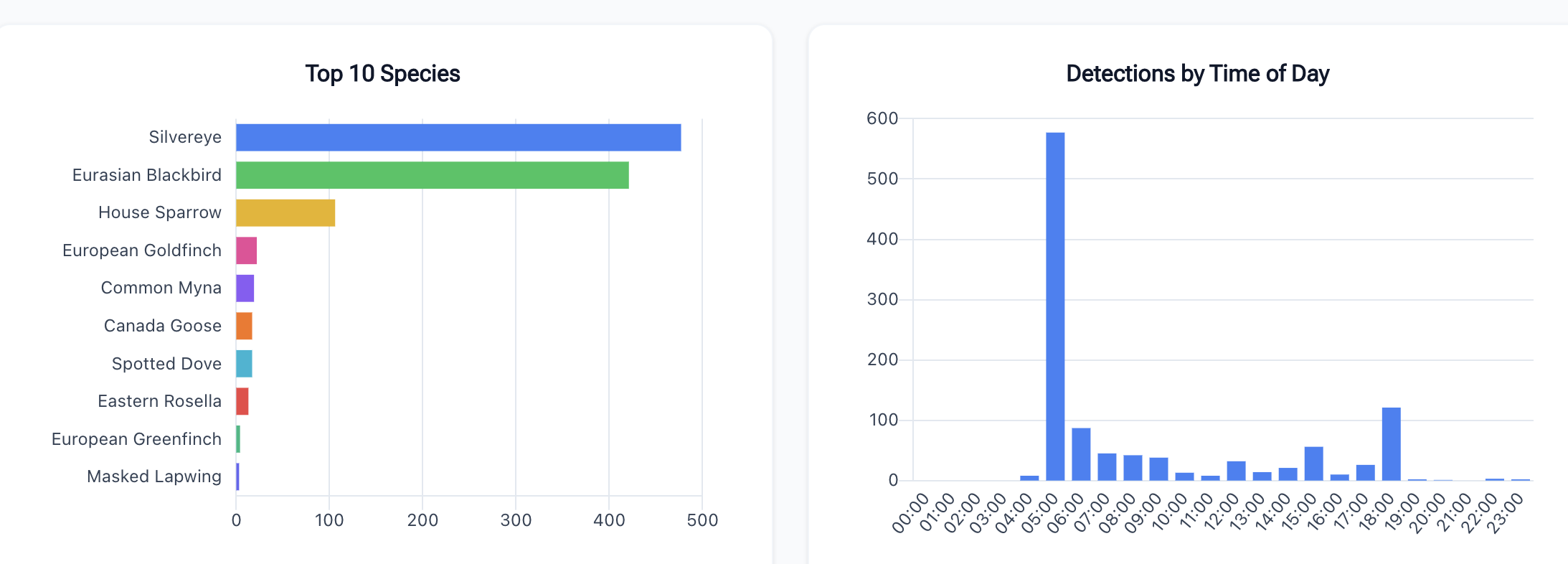
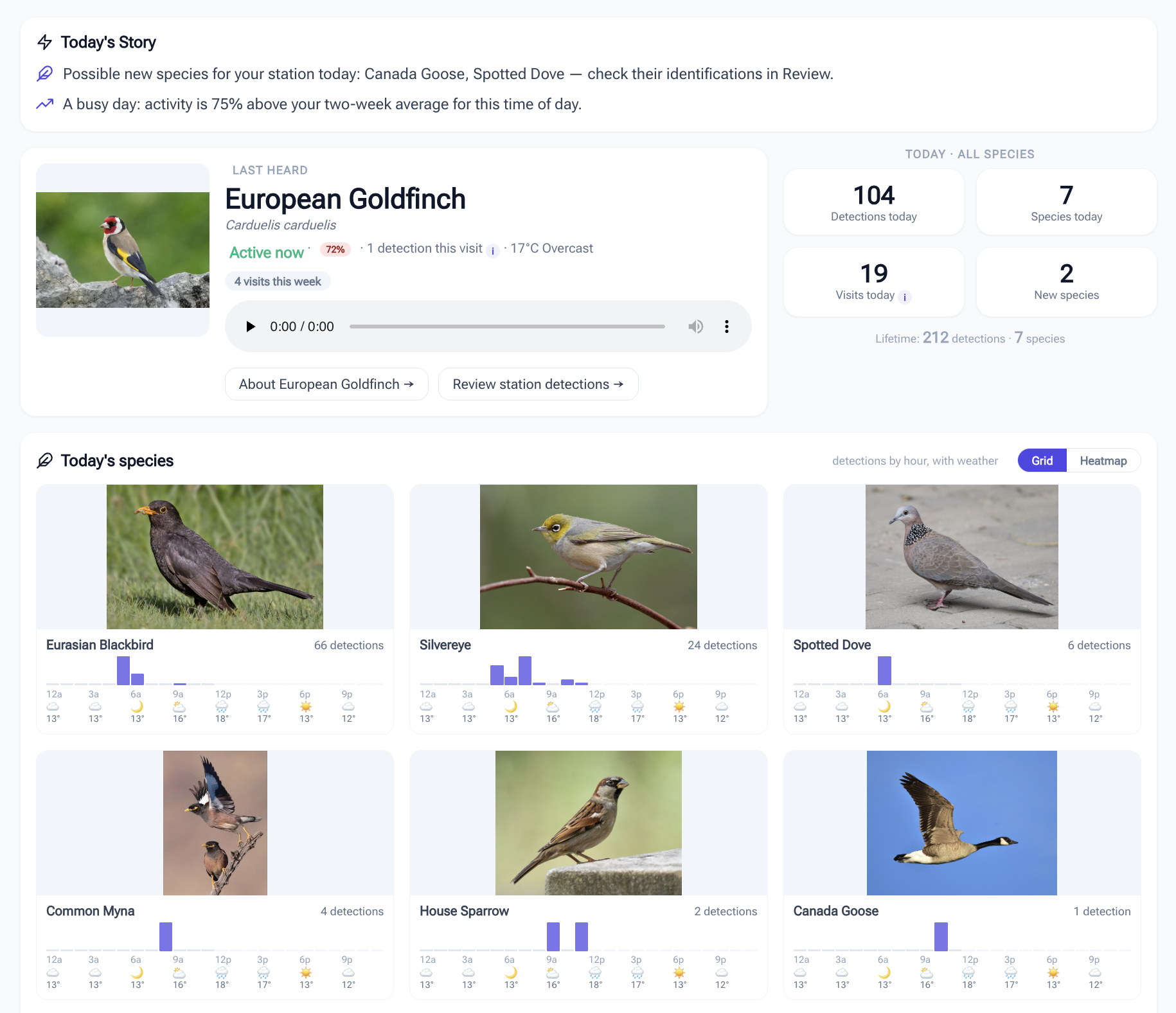
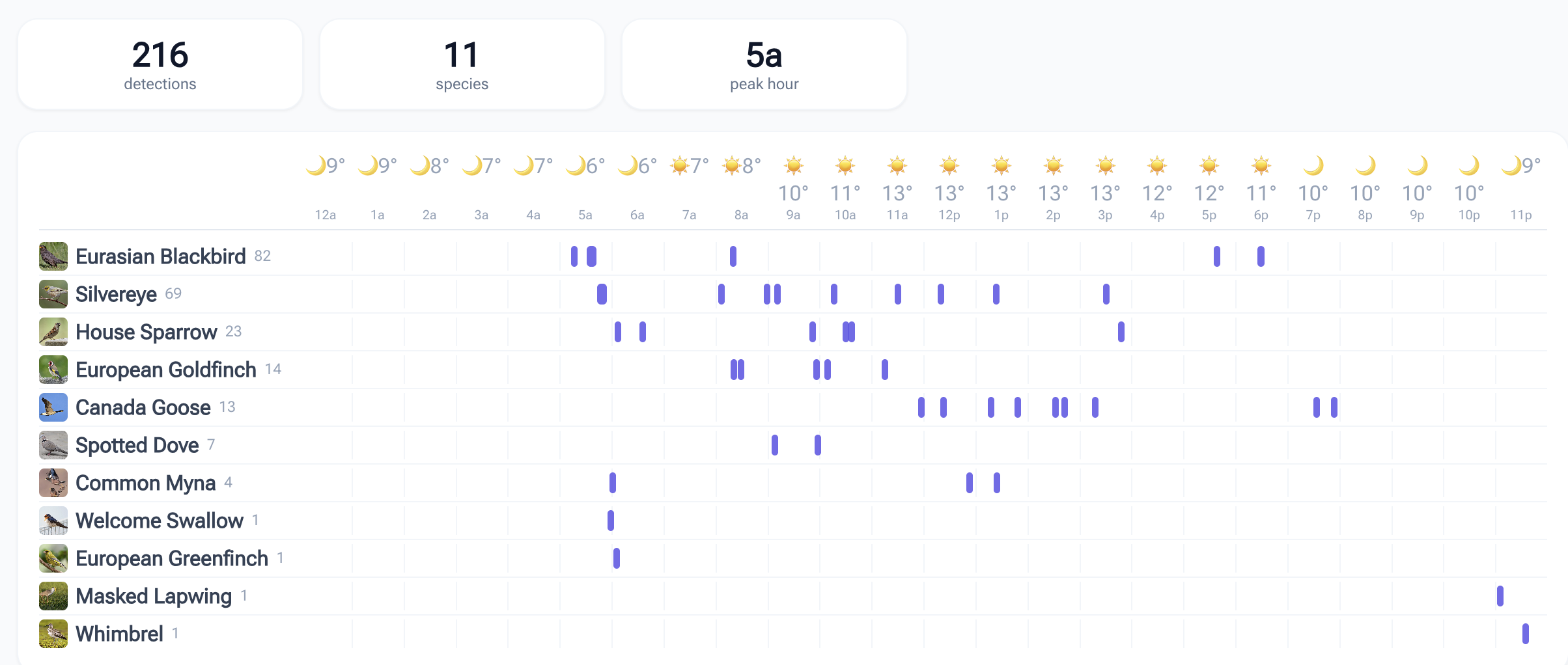
There’s a little Sennheiser microphone taped to the outside of my study window; the Pi is running a lovely website (based on Caddy, but has all sorts of bells and whistles : live spectrograms of the sound, a cool Analytics dashboard, images pulled from Wikipedia, all sorts of extra information) and I have it on my Tailscale network so I can access it from my phone.
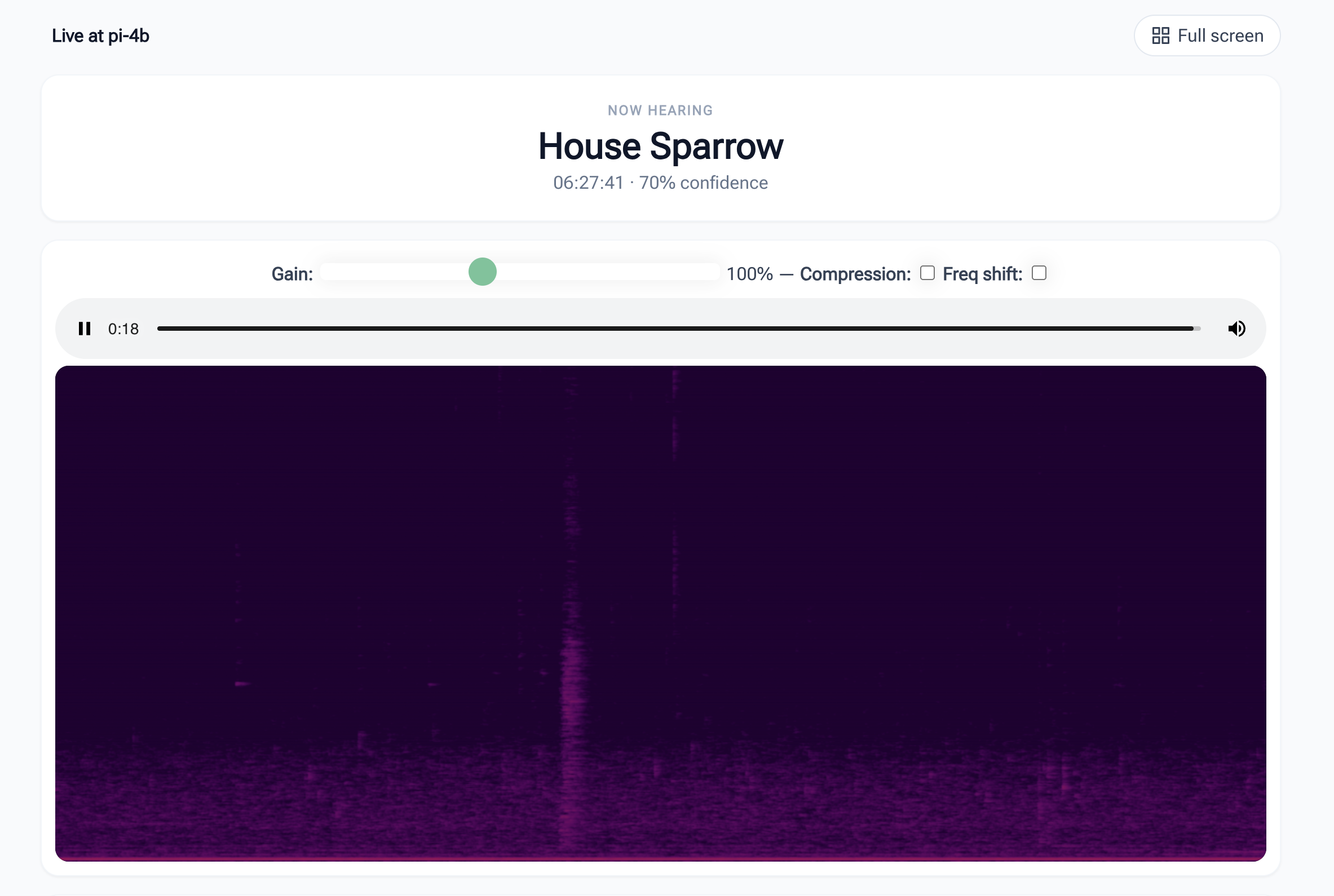
And it’s addictive … waiting for birds to show up at dawn …
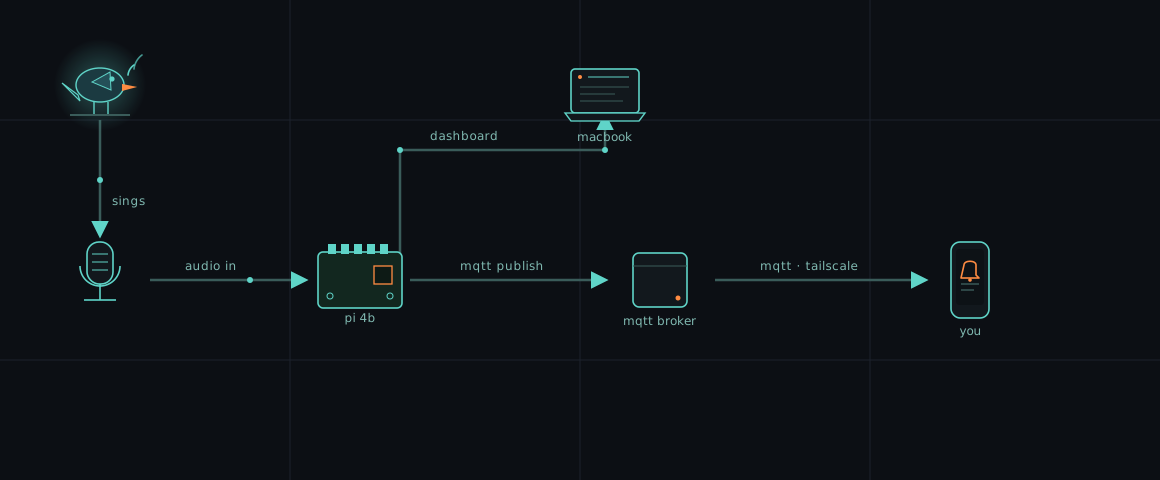
So after a few hours I couldn’t help myself but get Claude to write a little Android app to notify me when a bird is heard. The Birdnet-Pi implementation supports Apprise which supports a stack of notifications, so I added an MQTT server to my Mac Mini, and then got Claude to write an app that subscribes to notifications and runs in the background, letting me know when something happens.
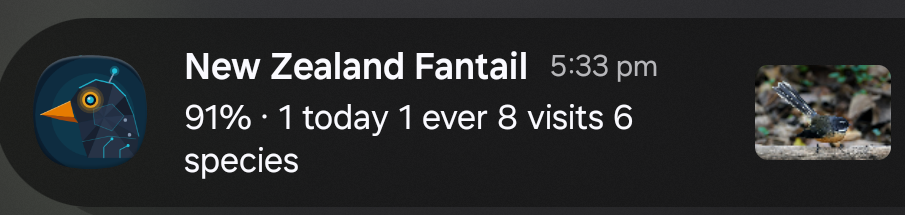
And so my day now looks like this. How many times I have seen this bird, both today and ever; and today’s visits and their species. I get a couple of hundred visits on a typical day.
This is what the running app looks like.
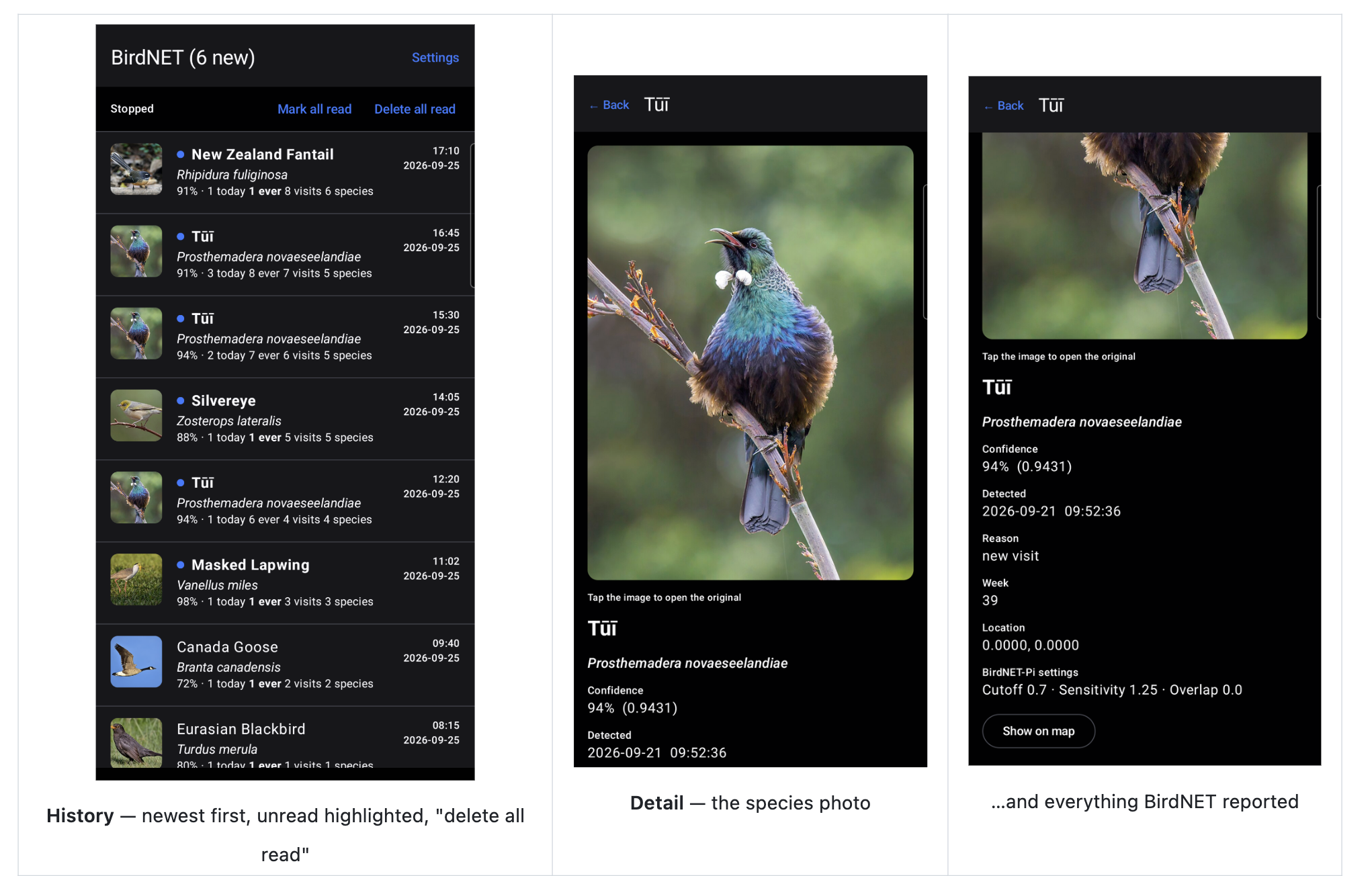
I had an issue overnight with it timing out and failing to resubscribe, but Claude solved that this morning.
I also have a little eInk display reporting on the latest sighting hearing.

Now it’s all about getting that count up. After a week I have 13 species - the usual sparrows, finches, blackbirds, the pheasant that I know lives up on the hill, a passing swallow and a lapwing … and a whimbrel, a rare visitor to these shores.